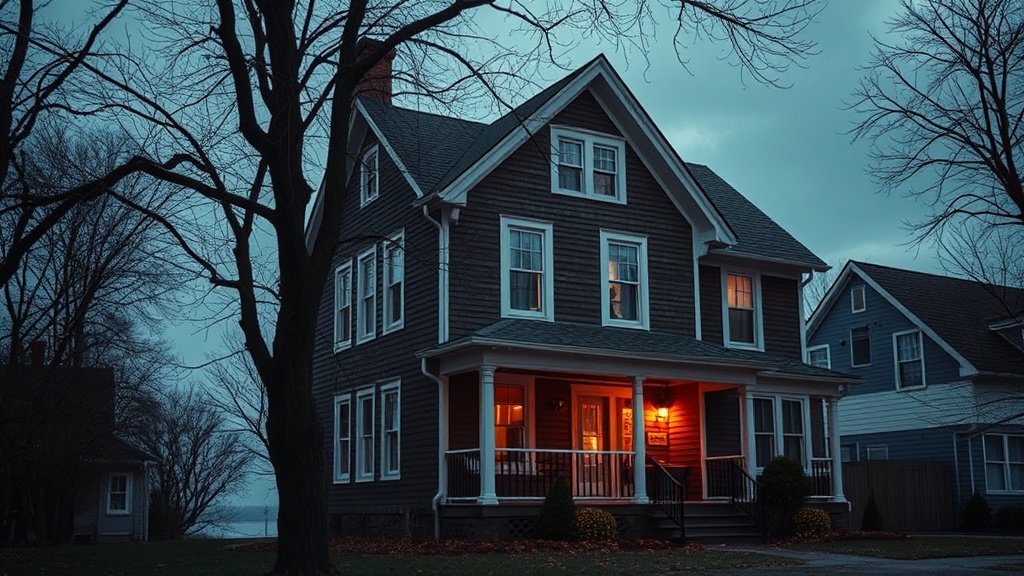
How to Uncover the History of Your Brockville Home

You walk up your front steps on William Street every day, passing through a doorway that's been there since 1892. The transom window above the door has initials scratched into the glass — who put those there? Your neighbor mentioned your house might have been built by a prominent local merchant. Suddenly you're curious about the stories these walls could tell. Researching your home's history connects you to Brockville's past in tangible ways, revealing the families who raised children in your rooms, the changes they made to the structure, and how your property fits into the broader story of our community's development along the St. Lawrence River.
Why Research Your Home's History?
Brockville boasts one of the most intact 19th-century streetscapes in Ontario. Our city — incorporated in 1832 and named after Sir Isaac Brock — grew rapidly during the Georgian and Victorian eras, leaving us with thousands of heritage properties ranging from modest workers' cottages on Adelaide Street to grand mansions on King Street East. Understanding your home's provenance isn't just about satisfying curiosity (though that's reason enough). It helps you make informed decisions about renovations, potentially qualifies you for heritage grants, and connects you to the chain of previous occupants who shaped Brockville into what it is today.
When you close your eyes, you can almost picture the horse-drawn carriages rattling past on Church Street, the gas lamps flickering on, the sound of the ferry whistles from the waterfront. Your home stood witness to all of it. Documenting this history preserves it for future owners and contributes to our collective understanding of how Brockville evolved from a Loyalist settlement into the Thousand Islands gateway we know now.
Where Can You Find Historical Records in Brockville?
The Brockville Public Library serves as your primary research headquarters. Their local history room — located on the second floor of the main branch on Buell Street — houses an impressive collection of city directories, assessment rolls, and photograph archives. The librarians there know the collection intimately and can point you toward resources you might never find on your own. They maintain vertical files organized by street name and property address, compiled over decades by dedicated local historians.
Start with the city directories — also called "might directories" — which listed residents by address and occupation from the mid-1800s onward. These hefty volumes, bound in dark green covers, sit on the shelves near the window overlooking the adjacent parking lot. Flip to the street index and find your address. You'll see names appear and disappear over the decades, giving you a timeline of previous occupants. Cross-reference these names with the library's genealogical databases to learn about their occupations, family structures, and places of origin.
Don't overlook the photograph collection. The library holds thousands of glass plate negatives and prints showing Brockville streetscapes throughout the decades. You might find a photo of your home from 1910, 1950, or 1980 — seeing how the landscaping, siding, and surrounding buildings changed provides valuable context. Ask the reference librarian about the "Brockville Streets" photo binders, organized alphabetically by street name.
What Online Resources Does the Brockville Public Library Offer?
Can't visit during open hours? The library's digital archives offer remote access to several key databases. Your library card unlocks Ancestry Library Edition (available within the building) and HeritageQuest (accessible from home), both containing census records that list Brockville residents by address through 1921. These records show family sizes, occupations, and even countries of origin for immigrant homeowners.
The library also subscribes to local newspaper archives spanning back to the 1820s. Search for your address or previous owners' names to uncover fascinating details — maybe your living room hosted a wedding reception in 1912 (announced in the Brockville Recorder), or perhaps a former owner operated a small tailor shop from the front parlor. These human details transform your house from a structure into a home with stories.
Check the Local History section of their website for digitized assessment rolls from select years. These municipal documents list property owners, lot dimensions, building materials, and assessed values — goldmines for understanding how your property developed. The 1876 and 1894 rolls are particularly comprehensive, documenting Brockville's boom era when the Grand Trunk Railway brought prosperity and population growth.
How Can You Access City Archives and Property Records?
For official documentation, visit City Hall on Court House Avenue. The Planning and Enforcement Department maintains building permits dating back decades (though records before the 1950s can be spotty). These permits reveal when additions were constructed, electrical systems were upgraded, or major renovations occurred. Knowing your home received a new front porch in 1923 or a kitchen extension in 1975 helps you understand its architectural evolution.
The Brockville Museum on Henry Street offers another treasure trove. While focused on broader community history, their archives contain property-specific materials including architectural drawings for prominent homes, business records of local builders and contractors, and personal papers of historic families. The museum's volunteer researchers can often provide context about your neighborhood's development — why certain streets were laid out as they are, which farms were subdivided to create your subdivision, or how the 1850s cholera epidemic affected your block's early residents.
For legal ownership history, you'll need land registry records. While these are provincial documents, you can access them through the Ontario Land Registry Access portal or hire a title searcher to compile a complete chain of title. This reveals every transaction — from the original Crown grant to Loyalist settlers, through subdivisions and sales, right up to your purchase. Many Brockville properties trace back to the Elizabethtown Township surveys of the 1790s, granted to United Empire Loyalists who fled the American Revolution.
What About Architectural Clues?
Physical investigation complements archival research. Check your attic rafters for carpenter's marks — Roman numerals or symbols cut into the wood that guided assembly. Look for date nails in the roof shingles or foundation stones with mason's marks. Original hardware, window glass with visible ripples (indicating hand-blown antique glass), and construction methods (like balloon framing versus platform framing) all date your home.
Brockville's architectural heritage includes distinct styles: the symmetrical Georgian homes of the pre-Confederation era, the ornate Italianate villas of the 1870s (common near the waterfront), the Queen Anne cottages with their asymmetrical facades, and the Craftsman bungalows built during the 1920s manufacturing boom. The Brockville Heritage Committee can help identify your home's style and may have documentation if your property falls within one of the city's heritage conservation districts — particularly the King Street East, Courthouse Avenue, or William Street heritage areas.
Walk your neighborhood with fresh eyes. Compare your home to neighbors' properties. Often, developers built several similar houses simultaneously — your twin might sit three doors down, modified over the years but sharing your original floor plan. Chat with long-time residents; oral history fills gaps official records miss. Mrs. Henderson across the street might remember when your house was the only one on the block with electricity, or when the elm trees (now gone) formed a canopy overhead.
How Do You Organize Your Findings?
Create a timeline starting with your lot's original survey and adding layers: construction dates, ownership changes, major renovations, and neighborhood developments. Include photographs — both archival images you discover and ones you take today. This documentation becomes valuable when you sell (buyers love provenance) and contributes to Brockville's historical record.
Consider sharing your research with the Brockville Public Library's local history collection. Librarians welcome additions to their vertical files, ensuring future owners can pick up where you left off. Your investigation might solve mysteries for researchers decades from now, just as previous owners' records help you today. Every home in Brockville holds stories worth preserving — yours is waiting to be discovered.