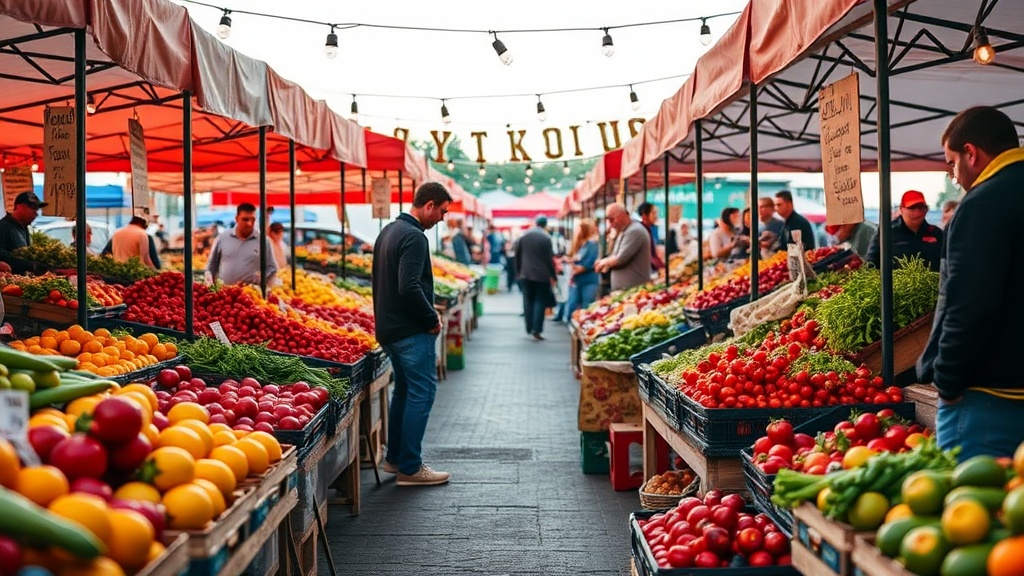
Finding the Best Seasonal Flavors at Brockville Farmers Markets

A shopper stands in a grocery aisle, staring at a carton of strawberries that are pale, hard, and priced at a premium. They look more like they were grown in a lab than pulled from the soil. This is the reality of buying out-of-season produce from big-box retailers. This post explains how to time your visits to the Brockville Farmers Market to catch the peak of local flavors, ensuring you get the best quality and value for your money.
Brockville residents know that the seasons dictate everything around here. When the weather shifts, the market shifts with it. If you want to eat well in the Thousand Islands region, you have to know what's coming down the road.
When is the best time to shop for seasonal produce in Brockville?
The best time to shop for seasonal produce is early in the morning right when the market opens, especially during the peak summer months of July and August. If you show up at 11:00 AM, you might find the most desirable items—like the sweetest corn or the freshest heirloom tomatoes—already gone. Most local farmers prefer to sell their most vibrant stock early to ensure freshness.
The Brockville Farmers Market operates on a seasonal rhythm. In the spring, you'll see more leafy greens, ramps, and perhaps some early radishes. By mid-summer, the heavy hitters arrive: sweet corn, berries, and stone fruits. If you aren't paying attention to the calendar, you'll miss the window for the best stuff.
Here is a general breakdown of what to expect throughout the year in Eastern Ontario:
- Late Spring (May - June): Focus on leafy greens, peas, and early herbs.
- High Summer (July - August): This is the gold standard for corn, berries, peaches, and tomatoes.
- Early Fall (September - October): Look for squash, pumpkins, apples, and root vegetables.
- Late Fall/Winter: While the market-style shopping slows, focus on preserved goods like jams, honey, and pickles.
It’s worth noting that the weather in Ontario can be unpredictable. A late frost can delay the arrival of certain crops, so always check the local Environment Canada weather reports to see if a cold snap might affect the current harvest.
How much does local produce cost compared to grocery stores?
Local produce prices vary based on the specific crop and the time of year, but you can often find better value by buying in bulk during peak harvest periods. While a single pint of blueberries might seem comparable in price to the supermarket, buying a large flat of berries directly from a farmer during July is significantly more cost-effective. You aren't just paying for the fruit; you're paying for the lack of shipping and handling costs associated with long-distance transport.
Sometimes, people assume "local" means "expensive." That isn't always the case. When a crop is in peak season, the supply is high, and the prices drop. If you buy a bag of apples from a local orchard in September, it’s often much cheaper than buying imported apples at a big-box store in February.
| Produce Type | Peak Season (Best Value) | Typical Grocery Store Availability |
|---|---|---|
| Sweet Corn | July - August | Often imported/out of season |
| Strawberries | June - July | Available year-round (low quality) |
| Hardy Squash | September - October | Available in winter (often imported) |
| Peaches | Late July - August | Highly seasonal/expensive |
Don't forget to bring cash. While many vendors are moving toward digital payments, having small bills makes the transaction much faster and helps the farmers avoid credit card processing fees. It’s a small way to support the local economy directly.
What should I look for to ensure produce quality?
To ensure high quality, look for vibrant color, firm texture, and a natural scent that indicates ripeness. For example, a tomato should have a deep, consistent color and feel heavy for its size, rather than hollow or light. If a fruit lacks a scent, it likely hasn't reached its full flavor potential.
When you're standing at a stall, don't be afraid to look closely. A good farmer wants you to see the quality of their work. Check the underside of leafy greens for any signs of wilting or moisture buildup. If you're buying berries, ensure they aren't sitting in a pool of juice, which is a sign they are overripe or have been handled poorly.
One trick I use is to look at the stems. If you're buying corn, the silk should be dark and moist, not dry and brittle. This tells you the corn was harvested recently. If you're picking up herbs, the leaves should be bright and not showing signs of bruising or discoloration.
If you want to learn more about food safety and how to handle fresh produce properly once you get it home, the Government of Canada food safety guidelines are a great resource. They provide excellent advice on washing and storing different types of perishables to make them last longer in your fridge.
Sometimes, finding the perfect ingredient feels like a chore. But once you master the rhythm of the seasons, it becomes a hobby. You'll start looking forward to the first peach of the summer or the first heavy pumpkin of the autumn. It turns a simple errand into a way to connect with the land around us.
If you find yourself spending more time outdoors lately, you might also enjoy finding the best light for outdoor photography. The natural colors of the seasonal harvest make for excellent subjects, whether you're a professional or just a hobbyist.
The key is to be observant. The market isn't just a place to buy food; it's a living, breathing indicator of the year's progress. When the strawberries arrive, summer has officially started. When the squash takes over the stalls, you know the chill is coming. Embrace that change.
The next time you head out, don't just grab the first thing you see. Take a moment to walk the perimeter of the market. Talk to the vendors. They are the real experts on what's currently at its best. They can tell you which variety of heirloom tomato is the sweetest this year or which honey has the best floral notes. That's the kind of insider knowledge you won't find in a grocery store aisle.
Steps
- 1
Check the Seasonal Calendar
- 2
Bring Reusable Bags and Cash
- 3
Arrive Early for Best Selection
- 4
Talk to the Producers