Discover Brockville's Hidden Waterfront Gems and Historic Charm

What Will You Discover in This Guide?
This post maps out Brockville's most compelling waterfront experiences and historic landmarks—exactly what locals recommend to visitors who want more than a generic tourist trip. You'll find specific spots along the St. Lawrence River most people miss, learn which historic buildings actually reward a stop, and get practical details (parking, hours, costs) that make planning straightforward. Whether you're a day-tripper from Ottawa, a history buff tracing Loyalist settlements, or someone who just wants a scenic riverside walk with an ice cream cone in hand, this guide cuts through the fluff and points you toward what's worth your time.
What's the Best Way to Experience Brockville's Waterfront?
The Thousand Islands Parkway and Brock Trail network offer the most accessible entry points to the St. Lawrence River shoreline—free, well-maintained, and open year-round. You don't need a boat to appreciate this stretch of water (though having one helps).
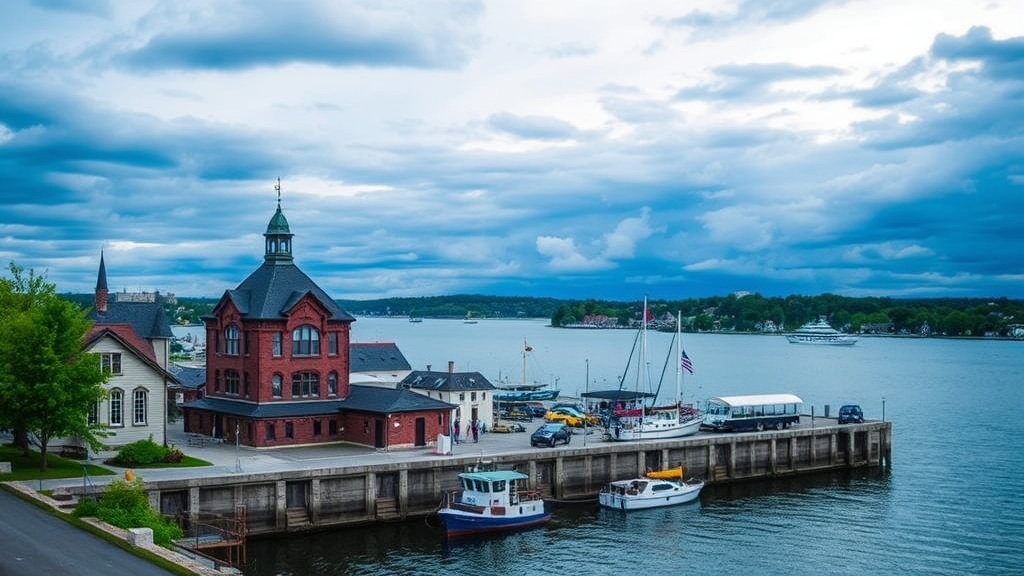
Start at Blockhouse Island. It's a 5-minute walk from downtown and offers panoramic views of the Thousand Islands archipelago. The island—really a peninsula—has a paved loop popular with cyclists, joggers, and parents pushing strollers. There's a public marina if you're arriving by water, plus picnic tables where you can eat takeout from Travel Brockville's listed restaurants while watching freighters glide past.
The Brock Trail runs 6.5 kilometers along the waterfront, connecting Blockhouse Island to the Mac Johnson Wildlife Area at the north end. It's flat, paved, and shaded in sections—ideal for a morning run or an evening stroll. Along the way, you'll pass the Rotary Park (good for kids; splash pad operates June through August) and the railway station, a photogenic brick building dating to 1872.
Here's the thing about Brockville's waterfront—it's working waterfront, not just pretty views. You'll see commercial fishing boats, Coast Guard vessels, and tour boats departing for Thousand Islands cruises. The Brockville Recorder and Times regularly covers harbor activity if you want current schedules.
Water quality at municipal beaches? St. Lawrence Park has a supervised swimming area with a gradual entry—great for families. The water tests clean consistently through summer. No lifeguards after Labour Day, but the beach stays accessible.
Where Can You Find Brockville's Most Significant Historic Sites?
The Brockville Railway Tunnel—Canada's first railway tunnel, completed in 1860—sits right downtown and operates as a free, lit pedestrian attraction from May through October. You should go.
The tunnel runs 525 meters beneath downtown streets. LED lights cycle through colors, and a soundscape plays as you walk. It's gimmicky, sure, but the engineering is real—the limestone walls and timber bracing are original. Winter access is limited (ice forms inside), but the exterior portal on Blockhouse Island makes a good photo stop year-round.
Above ground, the downtown core holds one of Ontario's best-preserved 19th-century streetscapes. The Ontario Heritage Trust recognizes several buildings here. Highlights include:
- The Court House (1842) — Neoclassical design by architect John George Howard. Still functions as a courthouse; exterior viewing only during business hours.
- Fulford Place (1899-1901) — A 35-room Beaux-Arts mansion built by patent medicine magnate George Taylor Fulford. The property includes original gardens designed by the Olmsted Brothers (same firm as New York's Central Park). Operated by the Ontario Heritage Trust; admission runs $10-12, with guided tours on weekends.
- St. Paul's United Church (1876) — Gothic Revival architecture visible from the street; worth a pause if you're walking King Street.
The catch? Brockville's historic signage is inconsistent. Some buildings have plaques; others don't. The Brockville Museum (at the waterfront) sells a $5 walking tour booklet that fills gaps Google Maps won't. The museum itself occupies an 1860s-era warehouse and covers local industry, the War of 1812, and the town's evolution from a Loyalist settlement to a manufacturing hub.
Worth noting: Brockville was briefly the capital of the United Counties of Leeds and Grenville. That political history matters less now, but it explains the grand civic architecture—this town expected to grow bigger than it did.
Historic Site Comparison
| Site | Time Needed | Cost | Best For |
|---|---|---|---|
| Brockville Railway Tunnel | 20-30 minutes | Free | Quick visit, photos |
| Fulford Place | 1-1.5 hours | $10-12 | Architecture buffs, garden lovers |
| Brockville Museum | 45-60 minutes | By donation ($5 suggested) | Local history context |
| Self-Guided Downtown Walk | 1-2 hours | Free ($5 for booklet) | Flexible pacing, architecture |
What Should You Eat and Where Should You Stay?
Brockville punches above its weight on food—for a town of 22,000, the dining scene shows ambition.
For breakfast, The Juice on King Street does fresh-pressed juices and breakfast bowls. It's busy by 9 AM on weekends; arrive early or expect a wait. Bud's on the Bay—located right on the water—serves classic diner fare with views. The corned beef hash is substantial.
Lunch options cluster downtown. The Boboli makes sandwiches on house-baked bread; the turkey avocado on sourdough is a reliable choice. Sushi 99 (on Parkedale Avenue, a short drive from downtown) exceeds small-town sushi expectations—fresh fish, proper rice texture, reasonable prices.
Dinner? Mat's Inn on Brock Street offers upscale bistro cooking without the Toronto price tag. The menu changes seasonally; the duck confit (when available) is properly crisp. For casual evenings, The Wooden Boat on Water Street has a patio overlooking the marina, decent pub food, and a rotating selection of Ontario craft beer—Stonehouse Brewing and MacKinnon Brothers often on tap.
Accommodation breaks down into three categories:
- Waterfront hotels: The Brockville Convention Centre (formerly the Tall Ships Landing) offers rooms with river views, an indoor pool, and underground parking. Rates run $150-200/night in summer. It's convenient—walkable to everything—but can host conferences that crowd common areas.
- Historic inns: The Keystorm Pub has upstairs rooms in a 19th-century building. Character comes with quirks: creaky floors, shared bathrooms in some units, no elevator. Budget $100-130.
- Chain options: Holiday Inn Express and Comfort Inn sit near the 401 highway interchange—10 minutes by car from downtown, free breakfast, predictable quality. Good for overnight stops, less so for experiencing Brockville.
When's the Best Time to Visit Brockville?
June through September delivers the full experience—warm weather, open attractions, and event programming. That said, each season offers something distinct.
Summer (June-August): Peak season. The tunnel is lit and open. Tour boats run daily. Farmers' market operates Saturdays on Market Street West (8 AM to 1 PM)—look for Gananoque-area produce and Thousand Islands honey. Accommodation books up; reserve ahead.
Fall (September-October): Fewer crowds, lower rates. The foliage along the river turns spectacular in mid-October. Some boat tours wind down after Thanksgiving (second Monday in October), but hiking and cycling remain excellent.
Winter (November-March): Quiet. Very quiet. The tunnel closes. Some restaurants reduce hours. The upside? You can photograph downtown architecture without tourists in your frame. Ice fishing happens on the river—locals gather near the islands when conditions permit.
Spring (April-May): Mud season. Trails can be soggy. Attractions reopen gradually; check current hours before traveling. The Thousand Islands Wine & Food Festival (late May) brings regional wineries to town—worth planning around if you're interested in Ontario's emerging cool-climate wine scene.
How Do You Get Around Brockville Without a Car?
You can manage without one—but it's easier with wheels.
Downtown Brockville is compact. The railway tunnel, Fulford Place, waterfront trails, and most restaurants sit within a 15-minute walk of each other. Brockville Transit operates bus routes, but service is limited (roughly every 30-60 minutes depending on the route). The Route 1 bus connects the downtown terminal to the 401 corridor (hotels and big-box retail).
Cycling is viable. The Brock Trail accommodates bikes. Brockville Bike Rental (seasonal, located near the tunnel) offers cruisers and e-bikes by the hour or day. E-bikes help with the hill climbing back from the waterfront—Brockville sits on a slope rising from the river.
The catch? Reaching attractions outside downtown—Mac Johnson Wildlife Area, the 1000 Islands Mall area, or the St. Lawrence Park camping—requires transportation. Taxis exist but aren't plentiful. Uber operates sporadically. If you're staying multiple days and want flexibility, bring a car or rent one in Ottawa (an hour's drive west).
"Brockville isn't a theme park—it's a working town with some extraordinary history layered into ordinary streets. The best visits combine planned stops with unplanned wandering." — Local tourism operator, 2023
The waterfront here doesn't announce itself with billboards. You have to walk to it, around it, through it. The tunnel hums with artificial light and recorded sound, but the stone is real—hand-cut by Irish laborers in the 1850s. The mansions on King Street whisper about patent medicine fortunes and Gilded Age optimism. The river keeps moving—freighters, fishing boats, kayaks, gulls.
You'll find Brockville most rewarding if you slow down. Sit on a bench at Rotary Park. Read the plaque on a building that catches your eye. Order the local beer. The "hidden gems" aren't hidden, exactly—they're just not advertised. You have to look.